$900, or 3 payments of $300 · 14-day review window · supplies ship after day 14
Chris Parker spreading spawn on a farm day, students gathered around him. “We’re not influencers. We’re farmers.”

That’s what you’re buying here. Every week for six months, you can bring your grow to a live call and have the founders read it.
Chris more than doubled a wild lobster mushroom patch through the way he harvests.
$900, or three payments of $300.
$900, or 3 payments of $300 · 14-day review window · supplies ship after day 14
The workshop runs 90 minutes, and then the call is yours. Three worth bringing:
01
What did Chris do to more than double a wild lobster-mushroom patch, and what does that say about what’s possible on your own land?
02
Why are the slow first weeks colonization and not failure, and how do you tell the difference while it’s happening to you?
03
How do you start without a lab, and which of the buildings and byproducts you already own actually count?
Free to attend. There’s an optional donation on the next step; give if you’d like to, skip it if you don’t. Same seat either way.
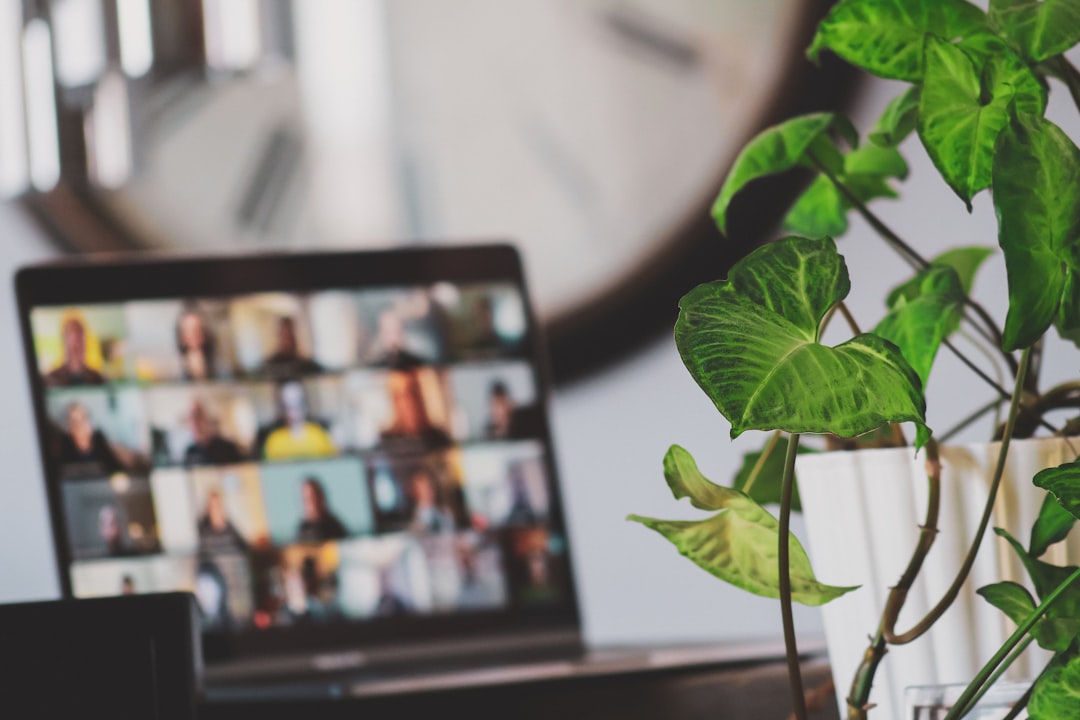
A workshop group on the farm. The room you’d be joining on the 30th is this one, on Zoom.
Chris Parker. Thirty-five years of growing, on a working farm in Marshall, North Carolina.
Katherine Parker, PhD. Chris tends the grow. Katherine tends the grower.
You’ve watched people lie about mushrooms for years. So this page won’t ask for your trust; it will show you where to look.
The Mycelial Healer, Christopher Parker and Katherine Parker, PhD. ChelseaKatherine Parker, PhD. Chelsea Green.
#160;Green.
“I had read Paul Stamets’ books on mushroom cultivation, but it wasn’t until I physically worked alongside Chris and Katherine, ‘the mushroom masters’, that the information truly took root.”
Chuck Hunner
“It’s a lot easier to ask someone who’s had that experience directly, as opposed to searching the internet.”
Pete, farmer, Ashe County, NC
Free class starts in
Free to attend · no card needed · live Q&A with the founders
The Forest Farmacy, a working farm in Marshall, North Carolina.
“We’re not influencers. We’re farmers.”
The difference was never effort or talent. It is a trained eye for what mycelium is doing while it’s still invisible.
Every week you can bring your grow to a live room and watch the founders read what’s in front of them out loud.
You’ve done the work.
You’ve kept the jar or bucket clean, watched the videos, taken notes. Maybe you can keep forty plants alive from seed. Maybe you can walk a ridge and come home with a full basket.
Then you try mushrooms, and it’s a different story. You hold a jar up to the light at 11pm, or check the bucket one more time, and you’re guessing.
That’s not a gap in you.
With most skills, you can see what you’re doing while you do it. With mushrooms, the important part happens where you can’t see it. By the time a problem shows, it’s usually been building for days or weeks.
None of that is starting from zero. It’s continuing something you already started.
And if what you’re after is easy and fast: the internet is full of people selling that. It is not fast. It is real.
There’s a corner of a barn or a shed you keep walking past, and you still don’t know whether mushrooms would pay for themselves in it.
You make your own medicine, except the mushroom part. That you still buy from someone else.
There are spore prints in a drawer at your house, and another season is about to pass them by.
When Chris Parker, a member of the Eastern Band of Cherokee Indians, went looking for how to grow mushrooms, the available knowledge was two library books, and half of what was in them was wrong.
He learned the way you learn when there’s nobody to ask: grow, fail, watch closely, grow again. Thirty-five years of that became a commercial farm in Marshall, North Carolina, and a library of mushroom cultures adapted to the mountains it sits in.
It has not been a gentle 35 years. In 2018, a flood took a decade of his work in a matter of hours. And recently, a contamination still cost thousands of dollars in substrate and a month of vigilance.
Those failures are on this page on purpose. If you’ve stopped believing anyone in this space, the people who only ever show you the harvest are a large part of why.
Katherine Parker, PhD, is the other half of why the teaching works.
A research psychologist with 15 years of designing curricula, she works on the part of growing that happens in the grower: the slow early stretch where nothing visible is happening and every instinct says quit. Chris tends the grow. Katherine tends the grower.
Together they wrote The Mycelial Healer, published by Chelsea Green.
A working commercial farm in Marshall, North Carolina. Not a studio set.
35 years of cultivation, failures included: the 2018 flood, the contamination that cost thousands.
A wild lobster-mushroom patch Chris has more than doubled over six years, by changing how he harvests it.
A book, The Mycelial Healer, with a real publisher: Chelsea Green.
A culture library adapted to the Southern Appalachians, built over decades.
Live Q&A that’s on the record: real attendees, answered by name, about their own situations.
Yes. The workshop is by donation: attending costs nothing, and there’s an optional box at registration if you’d like to support the farm and the teaching. Half of every donation goes to the Cherokee-led Center for Native Health. No amount is suggested, none is required, and the seat is identical either way.
Wednesday, September 30, 2026, at 6:00 PM ET. Ninety minutes, live, both founders teaching, your questions answered on the call. Free to attend. Thirty-five years of growing on one side of the screen; a chair for you on the other.
There will be another workshop in a month; there always is. But the session where you can put your own jar in front of them is the one you’re in the room for. Not beginning. Continuing something you already started.